Plug-In Solar Panels UK: What You Need to Know in 2026
Plug-in solar panels are coming to the UK. What they cost, how much they save, who they suit, and what the new regulations mean for renters and homeowners.
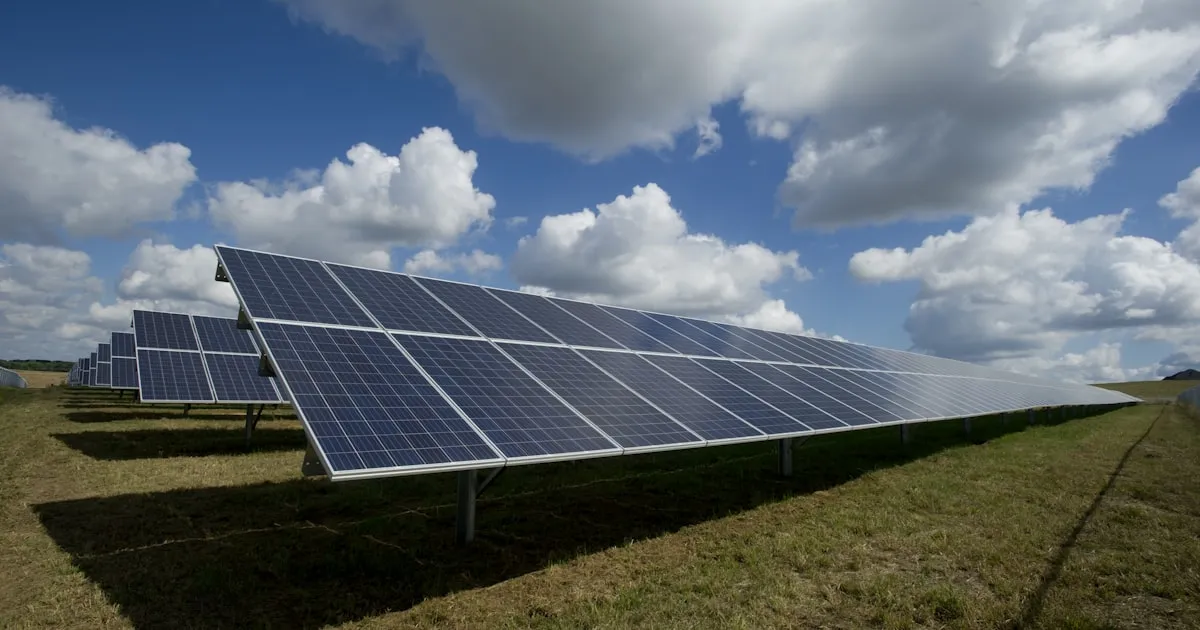
On 24 March 2026, the government confirmed what many of us have been waiting for: plug-in solar panels are coming to UK shops within months. No electrician needed. No planning permission. Just a panel, a cable, and a plug socket.
For anyone renting, living in a flat, or simply wanting to dip their toes into solar without spending thousands, this is a big deal. Let me walk you through what we know, what it costs, and whether it is actually worth it.
What are plug-in solar panels?
A plug-in solar system (sometimes called balcony solar or, if you want the German term that started it all, a Balkonkraftwerk) is exactly what it sounds like. One or two solar panels connected to a small microinverter, with a plug on the end that goes into a standard wall socket.
The panels sit on your balcony railing, lean against a garden wall, mount on a flat roof, or prop up on a south-facing window ledge. The microinverter converts the DC power from the panels into AC power that feeds directly into your home’s electrical circuit.
When the sun is shining, you use that power first. Your fridge, router, TV, lights, whatever is running. Anything you generate but do not use goes back to the grid (though you will not get paid much for it at this stage).
The new UK regulations
Until now, plug-in solar has existed in a legal grey area in the UK. People have been buying kits from Amazon and eBay, but technically connecting them was not compliant with UK wiring regulations.
The government is changing two things:
- The G98 distribution code is being updated so that systems under 800W can connect to the grid through a domestic socket without DNO notification
- BS 7671 wiring regulations are being updated to provide safety standards specifically for plug-in solar
The wiring regulations update is confirmed for 15 April 2026. The BSI product standard (which certifies specific kits as safe for the UK market) is expected by July 2026. That means compliant kits should be on shelves by late summer 2026.
How much do they cost?
A decent 800W plug-in solar kit currently costs between £400 and £1,000, depending on the brand and whether it includes a battery.
Here is what is available right now:
| System | Wattage | Price | Includes Battery |
|---|---|---|---|
| Budget panel + microinverter | 400W | £200-£350 | No |
| Mid-range 800W kit | 800W | £500-£700 | No |
| EcoFlow PowerStream | 600-800W | £1,100-£1,300 | Optional |
| Anker Solarbank 2 | 800W | £800-£1,000 | Yes (1.6kWh) |
The budget end is genuinely affordable. You can get a single 400W panel with a microinverter for around £200-£350. That is less than most people spend on a weekend away.
How much will you actually save?
This is the important question, and I want to be honest with you. Plug-in solar is not going to eliminate your electricity bill. It is going to reduce it.
A typical 800W system generates 500-800 kWh per year in the UK, depending on where you live and how much sun your panel gets. At current electricity prices of around 24p per kWh, that is roughly:
- 800W system: £120-£190 per year savings
- 400W system: £60-£95 per year savings
So a £500 kit pays for itself in about 3-4 years. A £200 budget panel pays for itself in 2-3 years. After that, it is free electricity for the remaining 20+ years of the panel’s life.
Not life-changing money, but not nothing either. And it compounds nicely when you combine it with other energy-saving measures.
Who are plug-in solar panels for?
This is where it gets interesting, because plug-in solar opens up solar power to people who were previously locked out.
Renters. If you rent, you cannot install rooftop solar. But you can lean a panel against your balcony railing or garden fence. When you move, you take it with you. Just check with your landlord first; most will not object to something that does not alter the property.
Flat dwellers. If you live in a flat with a south-facing balcony, this is probably the only solar option available to you. Vertical panels on a balcony produce about 70% of the output of optimally tilted panels, which is still worthwhile.
Homeowners testing the water. If you are thinking about full rooftop solar but want to understand how it works first, a plug-in kit is a low-risk way to learn. You can always scale up later.
Anyone who wants to start small. Not everyone has £6,000-£10,000 for a full rooftop installation. Starting with a £300 plug-in panel gets you generating renewable energy today.
Who should probably skip them?
If you own your home and have a suitable roof, full rooftop solar is a better investment. A 4kW rooftop system costs £5,000-£8,000 but generates 3,400-4,200 kWh per year, which is 4-5 times what a plug-in system produces. The payback period is similar (5-7 years) but the lifetime savings are dramatically higher.
If you are in Northern Ireland and want to compare prices for a proper rooftop installation, I built Compare Solar NI specifically for this. You can get quotes from multiple installers and see how much you could save based on your actual home.
If your outdoor space faces north, the numbers do not work. Solar panels need sunlight. A north-facing balcony will produce very little.
If your electricity usage is very low, the savings might not justify even the modest cost. Someone living alone in a small flat who spends £30 a month on electricity is not going to see a meaningful return.
What to look for in a plug-in solar kit
When the certified UK kits hit the market this summer, here is what to check:
BSI certification. Only buy kits with the new UK product standard certification. Uncertified imports may not meet safety requirements.
Microinverter quality. The microinverter is the most important component. It converts DC to AC and must shut down safely if the grid goes down (anti-islanding). Hoymiles and Enphase are the two names to trust.
Panel wattage. 800W is the legal maximum. Two 400W panels is the most common configuration for a balcony setup.
Battery or no battery? A battery lets you store daytime generation for evening use, which increases your self-consumption. But it adds £300-£600 to the cost. For most people starting out, skip the battery and see how much you use directly first.
Mounting. Balcony rail mounts, ground stands, and wall brackets are all options. Make sure the kit includes appropriate mounting for your situation, or budget for it separately.
The bigger picture
Plug-in solar is not going to solve the energy crisis. But it is a meaningful step towards energy independence for millions of people who have never had the option before.
Germany, where balcony solar has been legal for years, now has over 1 million plug-in solar systems installed. The average German balcony solar user saves €100-€200 per year. The UK is about to follow the same path.
Combined with other changes, like the energy price cap coming down and better insulation standards for new homes, the direction of travel is clear: more people generating their own power, less dependence on the grid.
If you have a south-facing balcony or garden, and you can spare £300-£500, plug-in solar is worth a serious look when the certified kits arrive this summer.
Frequently asked questions
Do I need permission from my landlord?
Technically, yes. A plug-in panel on a balcony railing could be considered an alteration to the property. In practice, most landlords will not object because the panels are portable and do not permanently change anything. Get it in writing to be safe.
Will I get paid for excess electricity?
The Smart Export Guarantee (SEG) requires energy suppliers to pay for electricity you export to the grid. However, the rates are typically 3-6p per kWh, which is small. The real value is in using the power yourself.
Can I install more than 800W?
Not under the new plug-in regulations. Anything over 800W requires a qualified electrician and DNO notification, just like a full rooftop system. If you want more power, you are looking at a proper installation.
Are plug-in solar panels safe?
Yes, provided they meet the UK standards. The microinverter includes anti-islanding protection, which means it shuts down automatically during a power cut. This prevents electricity feeding back into the grid when engineers might be working on the lines.
Keep reading
Written by Connor
Covering personal finance, investing, and the path to financial independence.
Enjoyed this? Get more like it.
No jargon, no spam. Just honest money tips, weekly.