ISA Rules 2026: Everything That Changed This Tax Year
All the ISA rule changes for the 2026/27 tax year explained simply. Multiple ISAs, allowance updates, and what it means for your savings.
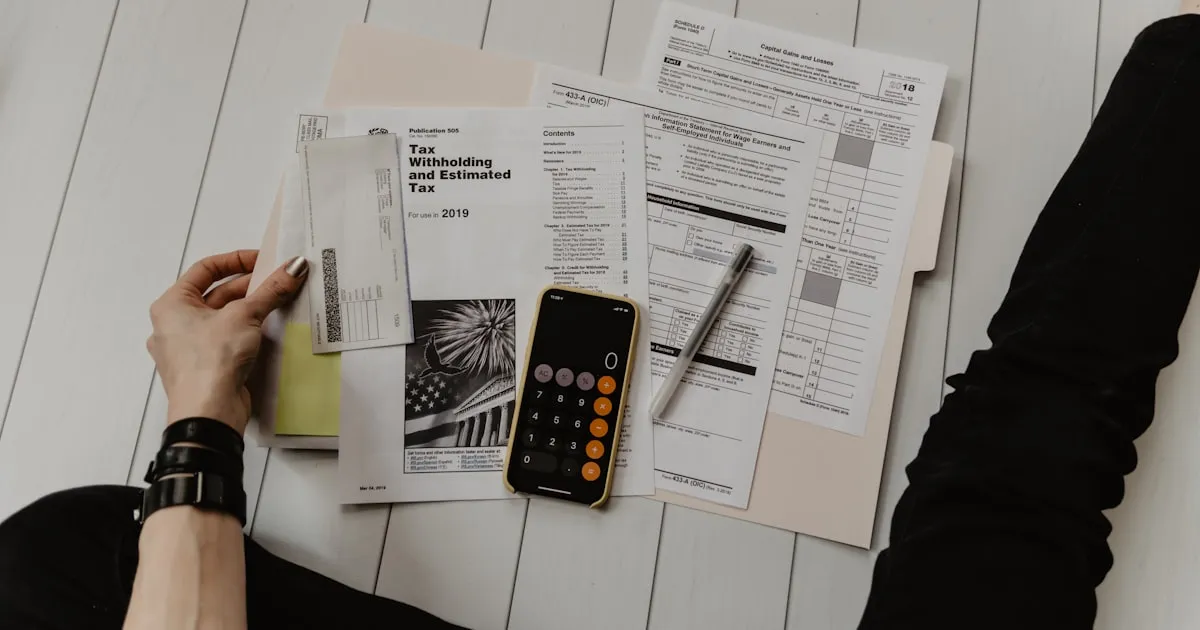
Every April brings a fresh tax year, and with it the usual question: has anything actually changed with ISAs? For the 2026/27 tax year, the headline is that the major rule changes from 2024 are now fully bedded in, the allowance hasn’t moved, and the Lifetime ISA is on borrowed time. Let me walk you through everything you need to know.
The big change: multiple ISAs of the same type
The most significant ISA rule change in recent years came in April 2024, when the government scrapped the old “one ISA of each type per tax year” restriction. Previously, you could only pay into one cash ISA and one stocks and shares ISA each tax year. Now, you can open and contribute to multiple ISAs of the same type in the same year.
So what does this mean in practice? You could have a cash ISA with your bank earning a decent rate on easy access savings, and a separate cash ISA with a building society locked in at a higher fixed rate. Or you could run a Vanguard stocks and shares ISA for your index funds alongside an InvestEngine ISA for ETFs.
The only rule that hasn’t changed is the overall limit. Your total ISA contributions across all accounts cannot exceed £20,000 per tax year. It doesn’t matter how many ISAs you spread it across, that ceiling applies to the lot.
The £20,000 allowance: still frozen
The ISA allowance has been stuck at £20,000 since the 2017/18 tax year. That’s nine years at the same figure. Given inflation over that period, your allowance is worth meaningfully less in real terms than it was back then. There were rumours of an increase in the Spring Statement, but it didn’t materialise.
For the 2026/27 tax year, the numbers are:
- Adult ISA allowance: £20,000
- Lifetime ISA allowance: £4,000 (counts towards the £20,000 total)
- Junior ISA allowance: £9,000
The tax year runs from 6 April 2026 to 5 April 2027. Your allowance resets on 6 April. You cannot carry forward any unused allowance from previous years. Use it or lose it.
The four types of ISA
Quick refresher on what’s available:
Cash ISA
The simplest option. You deposit cash, you earn interest, and that interest is tax-free. Available to anyone aged 16 or over. Rates have come down from their 2023 peaks but decent deals are still out there, particularly on fixed-rate products.
Worth noting: the Personal Savings Allowance already lets basic rate taxpayers earn £1,000 in interest tax-free (£500 for higher rate). If your savings are modest, a cash ISA might not offer much additional tax benefit. But if you’re a higher or additional rate taxpayer, or your savings are substantial, the ISA wrapper starts to matter.
Stocks and shares ISA
This is where the real long-term wealth building happens. You can invest in funds, ETFs, bonds, and individual shares, all sheltered from income tax and capital gains tax. Available to anyone aged 18 or over.
If you’re looking for the best platform, I’ve written a full comparison of the best stocks and shares ISAs for 2026.
Innovative finance ISA
The IFISA lets you invest in peer-to-peer lending and other alternative finance products with tax-free returns. These carry more risk than cash ISAs and the market has shrunk considerably since its peak. Unless you really know what you’re doing, most people are better off with a stocks and shares ISA.
Lifetime ISA
And here’s where it gets interesting.
The Lifetime ISA: worth opening before it’s gone?
The government announced in the 2025 Autumn Statement that the Lifetime ISA will be closed to new applicants from April 2028. Existing holders will keep their accounts and continue receiving the 25% bonus, but no new LISAs will be opened after that date.
The LISA lets you save up to £4,000 per year and receive a 25% government bonus (up to £1,000 per year). You can use the money for your first home (up to £450,000) or leave it until you’re 60. Withdraw for any other reason and you’ll face a 25% withdrawal penalty, which actually means you lose more than the bonus you received.
So is it worth opening one before the 2028 deadline? Here’s my take.
If you’re saving for your first home and the property will be under £450,000: yes, absolutely. Free money is free money. Open one now, even if you only put in a small amount. You can always increase contributions later.
If you’re using it for retirement: it depends on your situation. The 25% bonus is attractive, but the restrictions are severe. Your money is locked away until 60, and the penalty for early withdrawal is brutal. For most people, maximising pension contributions (with employer matching) and using a stocks and shares ISA gives you more flexibility.
If you’re between 18 and 39, it costs very little to open a LISA with a small deposit just to secure access before the scheme closes. You can always decide later whether to fully fund it.
Junior ISAs
The Junior ISA allowance remains at £9,000 for the 2026/27 tax year. Parents or guardians can open a Junior ISA for any child under 18, and anyone can contribute. The child gets access to the money when they turn 18.
You can open both a Junior Cash ISA and a Junior Stocks and Shares ISA for the same child. The £9,000 limit is shared across both.
If you’re investing for a child with a long time horizon, a Junior Stocks and Shares ISA is worth considering. An £9,000 annual contribution growing at 7% would be worth roughly £330,000 by the time your child turns 18, if you started from birth. Even smaller regular contributions add up enormously over 18 years.
Common ISA mistakes to avoid
Not using your allowance at all. The most expensive mistake is not investing. Even a small monthly contribution into an ISA is better than leaving cash sitting in a current account.
Waiting until the end of the tax year. The annual ISA rush in March and April is real, but getting your money invested earlier means more time in the market. Time in the market beats timing the market, almost always.
Ignoring fees. A stocks and shares ISA charging 0.45% in platform fees will cost you significantly more over 20 years than one charging 0.15%. That difference adds up to tens of thousands on a decent-sized portfolio.
Withdrawing and assuming you can re-contribute. Unless you have a flexible ISA, withdrawing money uses up your allowance. If you’ve contributed £20,000 and withdraw £5,000, you can’t put that £5,000 back in (unless the ISA is flexible).
Forgetting the Lifetime ISA penalty. If you withdraw from a LISA for anything other than a first home or after age 60, you lose 25% of the withdrawal. That’s more than the bonus you received. Double check before you touch it.
What I’d do with the ISA allowance this year
If you’re asking me personally, here’s how I’d think about it.
First priority: pension. Make sure you’re getting any employer match. That’s an instant 100% return. ISA contributions come after this.
Second: stocks and shares ISA. I’d put the bulk of my ISA allowance into a low-cost global index fund. Something like Vanguard’s FTSE Global All Cap or an MSCI World ETF through InvestEngine. Set up a monthly direct debit and don’t look at it.
Third: cash ISA for your emergency fund. If you’re a higher rate taxpayer or your emergency fund is large enough that the Personal Savings Allowance doesn’t cover the interest, shelter it in a cash ISA.
Fourth: Lifetime ISA if eligible. If you’re under 40 and saving for a first home, open a LISA and contribute what you can. Even if you’re not sure about buying yet, securing access before 2028 is sensible.
The most important thing is to actually use the allowance. You get £20,000 of tax-free investing space every single year, and you can never get a missed year back. Start with whatever you can afford, increase it when you can, and let compound interest do the heavy lifting.
Keep reading
Written by Connor
Covering personal finance, investing, and the path to financial independence.
Enjoyed this? Get more like it.
No jargon, no spam. Just honest money tips, weekly.