Are Plug-In Solar Panels Worth It? The Real Savings Numbers For 2026
Plug-in solar panels go legal in the UK on 15 April 2026. Here is what they actually save you, based on household type, usage and panel size.
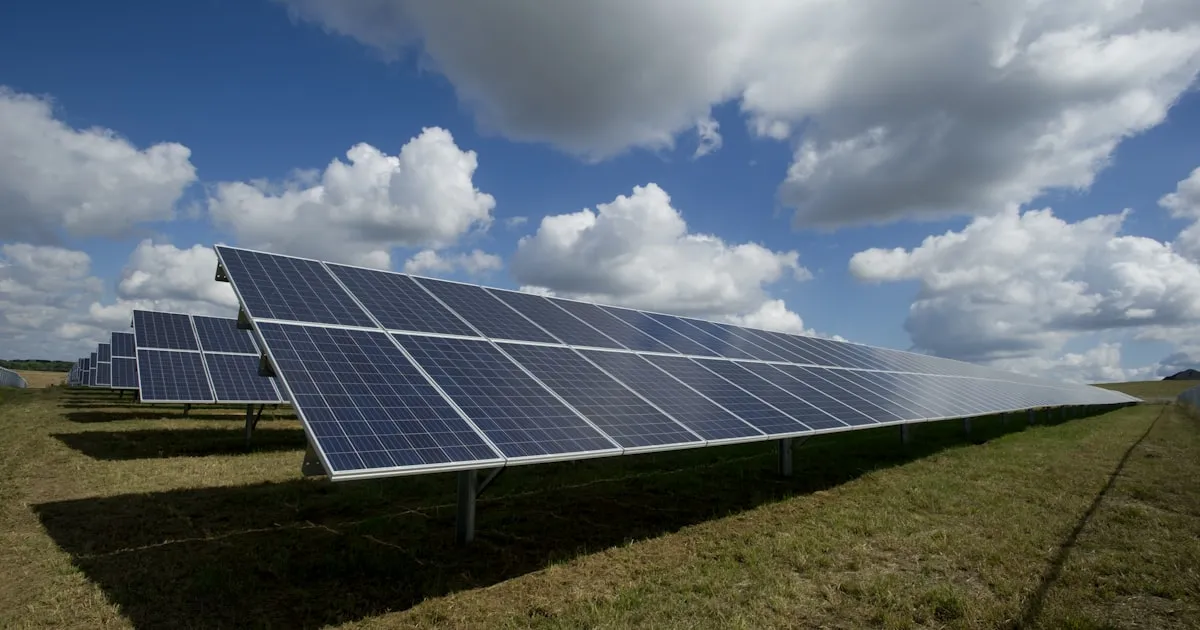
On 15 April 2026, the updated UK wiring regulations officially go live, and plug-in solar panels stop being a legal grey area overnight. From next week, anyone with a balcony, a garden wall, or a south-facing window can plug a small solar kit straight into a wall socket and start shaving their electricity bill without an electrician in sight.
The big question is not whether it is legal any more. It is whether it is actually worth the money. So let’s do the numbers properly.
The Short Answer
Plug-in solar is worth it if three things are true for you: you own or control a sunny outdoor space, you are home enough during daylight hours to use the power you generate, and you can spare between £300 and £800 up front without blinking.
If you tick all three, the payback is fast, the lifetime savings are solid, and the risk is almost zero. If any of them is a stretch, the maths gets thinner and you are better off putting the money somewhere else for now.
That is the honest version. Now let’s look at where the numbers actually come from.
How Plug-In Solar Actually Saves You Money
A plug-in solar kit generates electricity whenever the sun hits the panel. That electricity flows straight into your home’s wiring through the plug socket, and your appliances use it before they touch a single unit from the grid.
Every unit you generate and use yourself is a unit you do not buy from your supplier. At April 2026 electricity prices of roughly 24p per kWh, that is 24p in your pocket for every kWh the panel produces and you actually consume.
The catch is that last phrase. Self-consumption is everything. If you are out of the house from 9 to 5 with nothing running but the fridge, most of your solar generation will spill back to the grid, where you will be paid somewhere between 3p and 6p per kWh under the Smart Export Guarantee. That is a long way from 24p.
The households who get the biggest savings from plug-in solar are not the ones with the biggest panels. They are the ones who use the power while it is being produced.
What A Plug-In Solar System Generates
An 800W plug-in system (the legal maximum under the new rules) will generate roughly 500 to 800 kWh per year in the UK. The exact number depends on three things: how much direct sunlight your panel gets, what angle it is mounted at, and which part of the country you live in.
Rough guide for annual generation from an 800W kit mounted on a south-facing balcony rail:
| Location | Vertical mount | Angled mount (30°) |
|---|---|---|
| Southern England | 550-650 kWh | 700-820 kWh |
| Midlands | 500-600 kWh | 650-770 kWh |
| Northern England | 480-570 kWh | 620-740 kWh |
| Scotland | 430-520 kWh | 570-690 kWh |
| Northern Ireland | 500-590 kWh | 640-760 kWh |
A 400W system produces roughly half of those numbers. A 600W system roughly 75%.
The big takeaway: mount angle matters more than most people realise. A vertical panel on a balcony rail is convenient but loses about 20-25% of the generation you could get from an angled mount. If you have the space for a ground stand or a tilted bracket, use it.
The Savings Math By Household Type
Plug-in solar pays off very differently depending on who is living in the house. Here is what the numbers actually look like.
Single person, flat, working from home most days. Usage is low (around 1,800 kWh per year) but daytime self-consumption is high. An 800W kit generating 700 kWh will cover roughly 40% of total electricity use, with most of it consumed directly. Estimated saving: £140-£170 per year. Payback on a £500 kit: under four years.
Couple, flat, both commuting full-time. Usage is moderate (2,400 kWh per year) but daytime self-consumption is low. Most of the generation spills to the grid. Estimated saving: £70-£110 per year. Payback on a £500 kit: five to seven years. A battery becomes the obvious upgrade here.
Family of four, three-bed house, one parent home during the day. Usage is high (3,900 kWh per year) and daytime self-consumption is good thanks to the fridge-freezer, washing machine, tumble dryer and EV charger running during the day. An 800W kit saves £150-£200 per year. Payback on a £700 kit: three to five years.
Retired couple, full daytime occupancy. Usage is moderate (2,800 kWh per year) but almost everything generated gets used. An 800W kit saves £150-£190 per year. This is often the best-case scenario for plug-in solar, short of adding a battery.
Student house, five people, chaotic patterns. Usage is high and spread across the day and evening. Daytime self-consumption is decent. An 800W kit saves £130-£180 per year. Worth it, but the landlord is the one who needs to be on board.
Spot the pattern. It is not about how much electricity you use overall. It is about how much of it you can time to when the sun is out.
Hidden Factors That Change The Payback
The headline payback numbers assume everything else stays constant. In reality, four things can swing the maths in your favour (or against you).
Future electricity prices. If energy prices rise over the next five years, every kWh you self-generate becomes worth more, and your payback shortens. If prices fall, the opposite. Most forecasters expect modest rises through to 2030, which is a tailwind for solar generally.
Smart tariff optimisation. Time-of-use tariffs are getting more common. If you are on a tariff that charges you 35p per kWh during peak hours but 10p overnight, self-consuming solar during the day is even more valuable than the flat rate suggests.
Usage shifting. A washing machine, dishwasher or EV charger that runs on a timer during the day instead of at 8pm can lift your self-consumption rate from 50% to 80% without you lifting a finger. That single change is worth £30-£50 per year on an 800W kit.
Battery add-ons. A 1.6kWh battery adds £300-£600 to the upfront cost but can raise your self-consumption from 50% to 85%, pushing annual savings towards £200 on an 800W system. Whether it is worth it depends on how much of your generation is currently being exported at 4p per kWh.
If you are buying a kit this summer and want to maximise your return, focus on these four levers before you worry about squeezing another 5% out of the panel itself.
Plug-In Solar Vs A Full Rooftop System
This is the most important decision you will make, and a lot of people get it wrong.
A full 4kW rooftop solar installation costs £5,000-£8,000 and generates 3,400-4,200 kWh per year. That is four to five times the output of a plug-in system for roughly ten times the price. The payback period is longer (five to seven years) but the lifetime savings are in the £15,000-£25,000 range over 25 years.
A plug-in kit costs a tenth as much but delivers less than a quarter of the output. The per-pound return is actually worse than a proper rooftop installation for anyone who owns their home and has a suitable roof.
So why does plug-in solar exist? Because most people do not fit the “suitable roof, can afford £7,000 up front” profile. Renters cannot install rooftop solar at all. Flat dwellers usually cannot either. Many homeowners do not have south-facing roofs, or their roofs need replacing first, or they do not plan to stay in the house long enough to justify the investment.
Plug-in solar is not a better product than rooftop solar. It is a product for a different buyer.
Choose plug-in if: you rent, you live in a flat, your roof is unsuitable, you want to test the water before committing to a larger system, or you simply do not have thousands of pounds to spend right now.
Choose rooftop if: you own your home, you have a south-facing or west-facing roof in decent condition, you plan to stay at least seven years, and you can either pay cash or access a zero-interest loan through an eligible scheme.
For Northern Ireland homeowners weighing up a full rooftop installation, it is worth getting a few quotes before you commit. I built a free tool to help with exactly that, you can compare solar panel quotes Northern Ireland installers side by side and see how the numbers actually stack up for your specific address, roof and usage pattern. It takes about three minutes and will tell you very quickly whether rooftop is a better bet than plug-in for your situation.
Common Mistakes That Kill The Payback
After watching the plug-in solar market develop in Germany and the Netherlands over the last few years, the same handful of mistakes come up again and again. Avoid all five of these and your payback will be at the good end of the range.
Buying before the BSI standard lands. Uncertified kits from Amazon may be cheaper, but they are not compliant with UK regulations and your home insurance may not cover them. Wait for the BSI-certified kits landing later this summer.
Mounting flat on a wall. A vertical mount loses around 25% of potential output compared to a 30-degree tilt. If you have any option to tilt the panel, take it.
Ignoring self-consumption. A bigger panel does not help if you cannot use the power. Before you buy, think honestly about what is running in your house between 10am and 4pm.
Skipping the cheap wins. Moving your dishwasher and washing machine to run during the day is free. Do that first and you will get more from whatever system you buy.
Over-buying. The legal maximum is 800W, but many households will get a better per-pound return from a 400W kit. More panels are not always better if you are already exporting a chunk of your generation.
The Bottom Line
Plug-in solar is not going to transform your finances. It is not going to eliminate your electricity bill. And it is not a replacement for proper rooftop solar if your house is suitable for one.
What it is, is the first genuinely accessible way for renters, flat dwellers and budget-conscious homeowners to start generating their own power. For a few hundred quid, you get a system that pays itself back in three to five years, runs for another twenty with almost no maintenance, and quietly takes a chunk out of your electricity bill every single sunny day.
That is a rare offer in a market where most “save money on your bills” products are either boring or scammy. Plug-in solar is neither. Once the BSI-certified kits land this summer, if you have a sunny outdoor space and you are home enough to use the power, it is worth a serious look.
The new regulations going live on 15 April are the signal the industry has been waiting for. By the time the certified kits hit the shelves, you will want to know exactly which configuration makes sense for your household. Run the numbers above against your own usage and you will have your answer before a salesperson ever gets near you.
Keep reading
Written by Connor
Covering personal finance, investing, and the path to financial independence.
Enjoyed this? Get more like it.
No jargon, no spam. Just honest money tips, weekly.